-
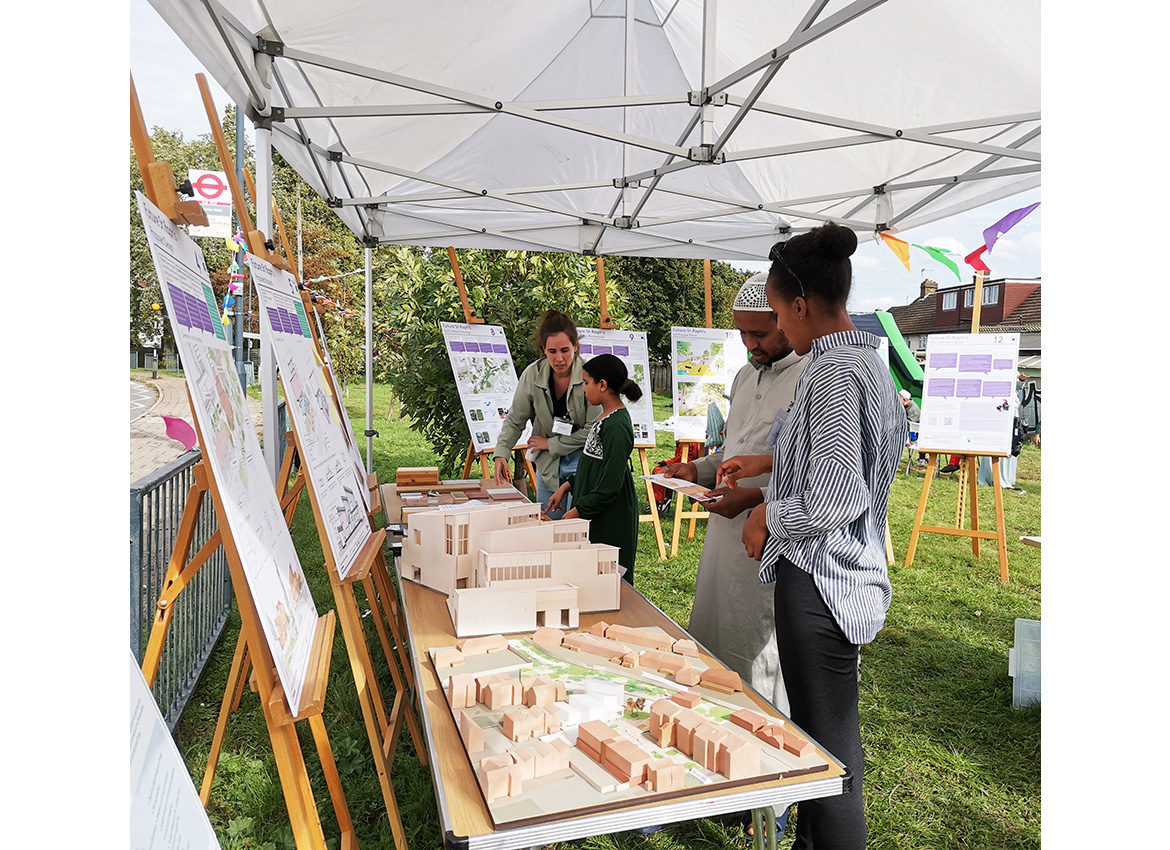
St. Raphael’s Estate new community hub final consultation event, 2023 -
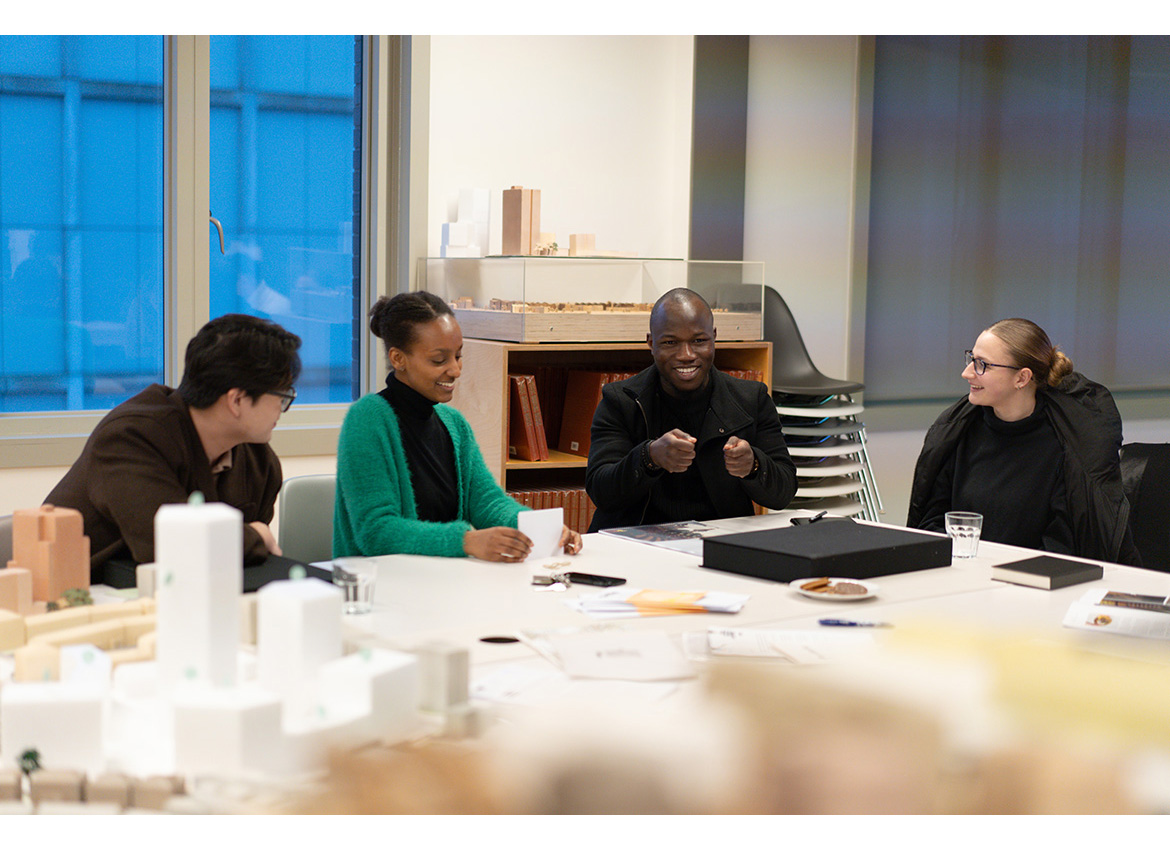
CV & portfolio workshop with students, 2024 -
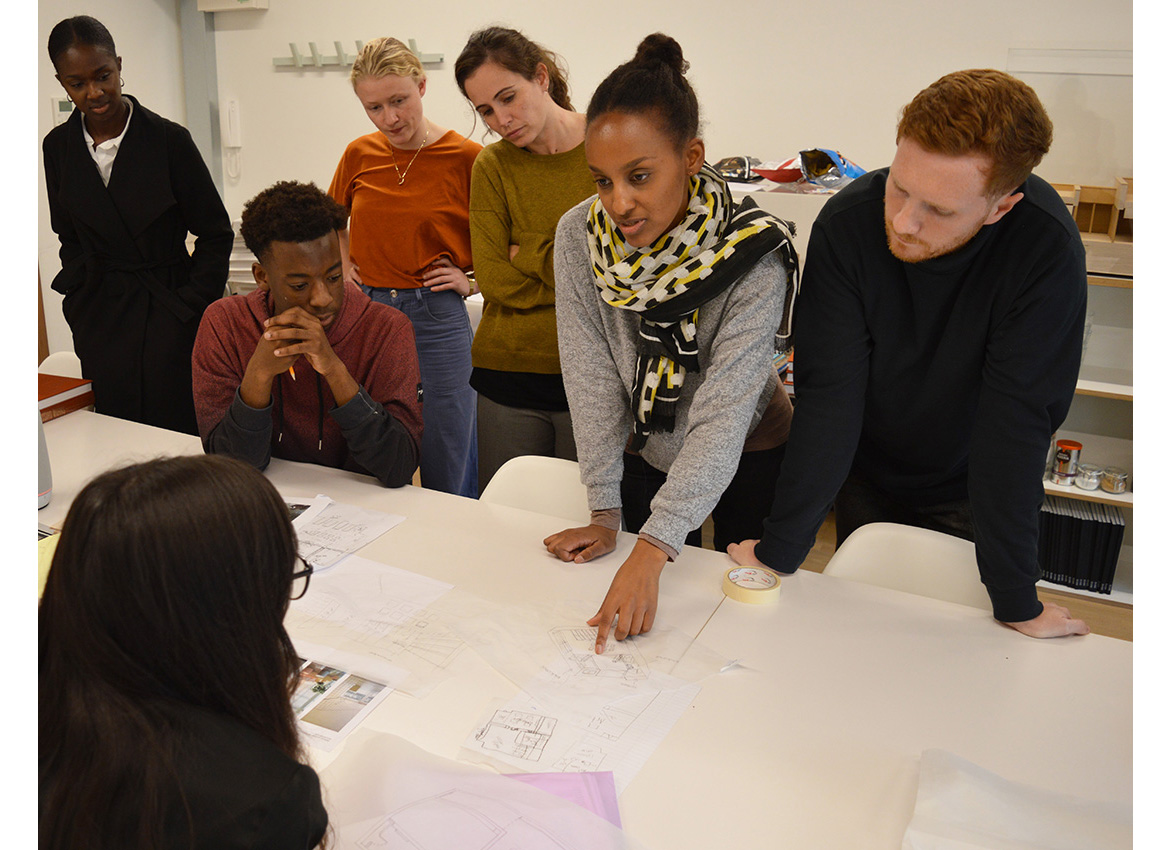
Design leaders workshop for the NYCC youth space, 2023 -
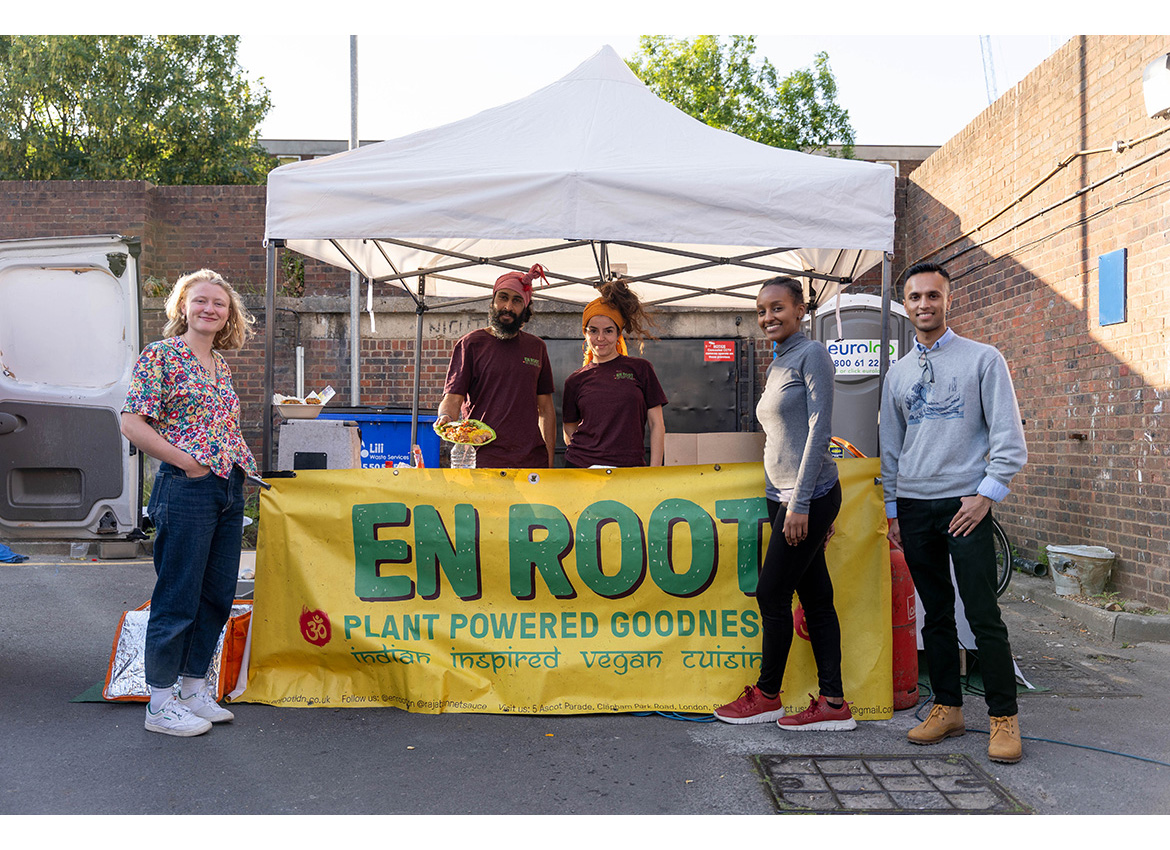
Ledbury Estate film showcase event, 2023 -
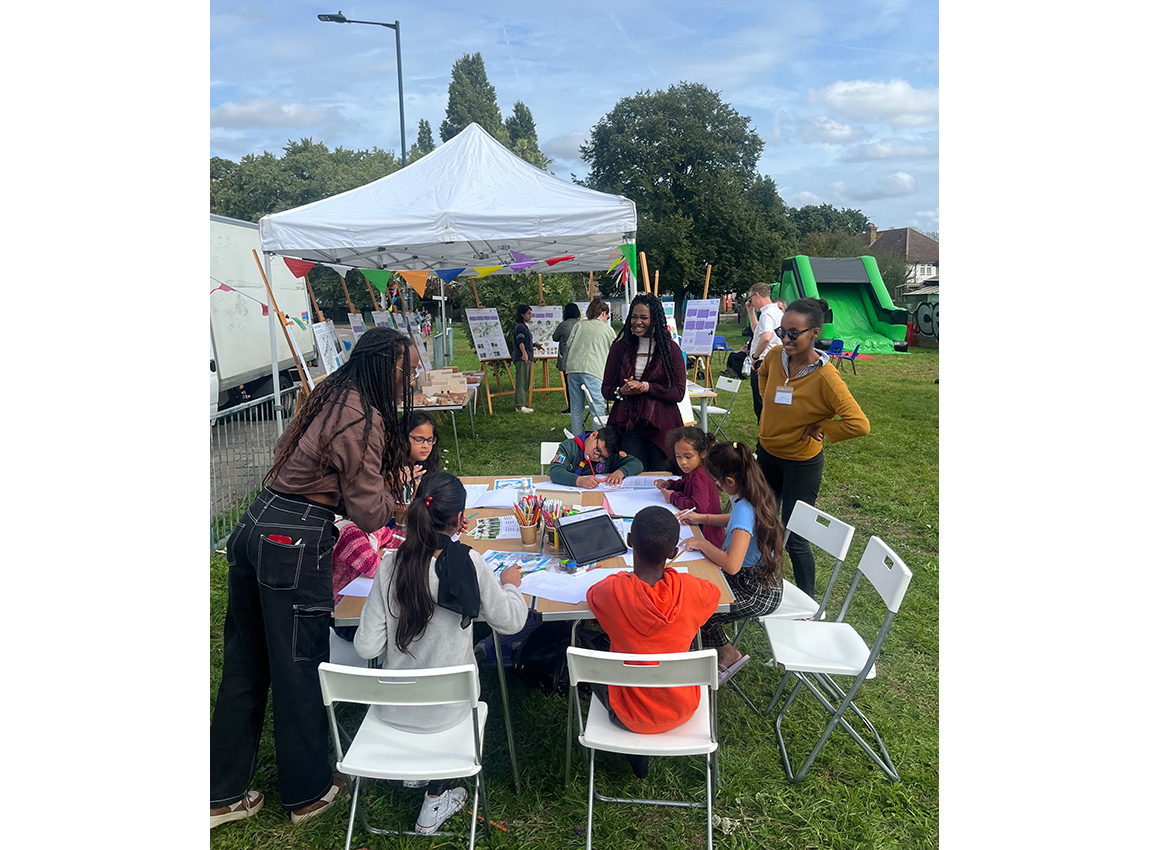
Workshop event with children at St. Raphael’s Estate, 2023
As a practitioner working in the space of community engagement, the role that social value can play in the context of public-sector projects offers an important contribution when considering how we can balance the needs of people, place and our environment. Now just over 10 years since the Public Services (Social Value) Act became legislation in 2013, we’ve arrived at a crucial milestone to reflect on impact; is this having the desired effect on the vitality of communities we work with? What are the experiences and legacies being created? The significance of the Social Value Act is its influence on public sector bodies, by setting a requirement in statute that social, environmental and economic benefits and wellbeing are considered in connection with public services and contracts, going beyond what is already being delivered as part of core service delivery in the commissioning of works. However, the Act in and of itself places limited impetus on public sector bodies to actually deliver projects.
Examples such as the Social Value Model (2020) offer a useful reference point, benchmarking through a menu of themes that aim to tackle current challenges; spanning from Covid-19 recovery, economic inequality, climate change, equal opportunity and wellbeing. However, nearly 4 years since the start of the pandemic, some of these issues have been continually exacerbated; including rising living costs, homelessness, inflation and job insecurity, increasing the pressure for access to affordable housing and decent homes. As communities face these heightened challenges, social value could not be more vital to helping communities that are struggling.
Raising the standard of, and access to, social and affordable housing in the UK has been integral to the work at Karakusevic Carson Architects, delivering projects with local communities as a fundamental part of the design process. Working day-to-day with internal design teams across a number of neighbourhoods and estates in London and further afield to address social equity through design has been key to my role and within my team. As both an Architect and Engagement Specialist, this experience helps to bridge two distinct areas – the need to really understand the unique characteristics, demographics, cultures, needs and resources within a particular area, and how communities can be supported to meaningfully contribute to shaping designs and ultimately raising the quality of life for local people. This requires working in a holistic and integrated way with the design team to embed opportunities at all stages. Critically, this means working with clients to invest in outreach work from the earliest stages: building capacity, agency and harnessing the valuable knowledge and experience that local residents have to offer.
We want to know what success looks like for communities, set out through clearly defined Residents’ Charters and Manifestos, and commit to realising outcomes through regular interactions that span a range of different formats and feedback loops, from interactive workshops, meetings, exhibitions, site walks and study trips. By understanding the unique features and dynamics of each community, we begin to recognise how social value projects can bring about fast and effective transformation, whether setting up IT hubs in estates to tackle digital poverty, upskilling workshops on grant funding and retrofit measures, or targeting funding to local initiatives that are already having some impact locally to amplify efforts.
An example of tangible benefits secured for residents and community groups during delivery is the creation of a new temporary community hub on St Raphael’s estate in Brent, helping to bring much needed improvements on the estate whilst wider development plans come forward. The space has been a huge success, with the local residents group St Raph’s Voice managing bookings and general running of the building. The space has provided a valuable ‘living room’ for the community, hosting children’s parties and clubs, workshops, resident meetings and training clinics, collectively attracting hundreds of residents overall. The building’s running costs have been minimal, owing to the façade design comprising of solar panels, and by securing revenue through bookings. Evidence of the value created is the desire from residents to see this ‘temporary’ building retained, even after the permanent building is delivered across the road in the future.
Elsewhere, we have collaborated with youth communities to build agency on a grassroots level, empowering young people from diverse backgrounds to transform places that are important to them. In Enfield, we named one example of this 17-strong group ‘Design Leaders’. These young people were supported to re-imagine a new youth space in Edmonton Green Shopping Centre for the NYCC charity and to build out their ideas. We worked with Beyond the Box who were instrumental in the process, mentoring and training the young people through weekly sessions over a period of 9 months, alongside design workshops and incubation with our team. An important lesson was knowing the value of small acts when working with communities, which can often go unrecorded but can go such a long way in impact – an introduction to a contact, exposure to a new skill or environment, or a conversation around future careers. To see impact, there must be real investment on a micro-level, and at times this could mean going ‘off script’ to respond to changing needs. Ultimately, social value is about harnessing holistic and long-term positive impact for communities, which cannot be accomplished alone or through isolated projects. These must be inspired by collaboration, and by igniting the potential of collective action, this will in turn help to transform design.
This article is an edited version of “The power of social value in harnessing the vitality of communities, neighbourhoods and environment” published on WEdesign 2023/24 Series: People, Place, Planet blog by The Glass-House Community Led Design, February 2024.